


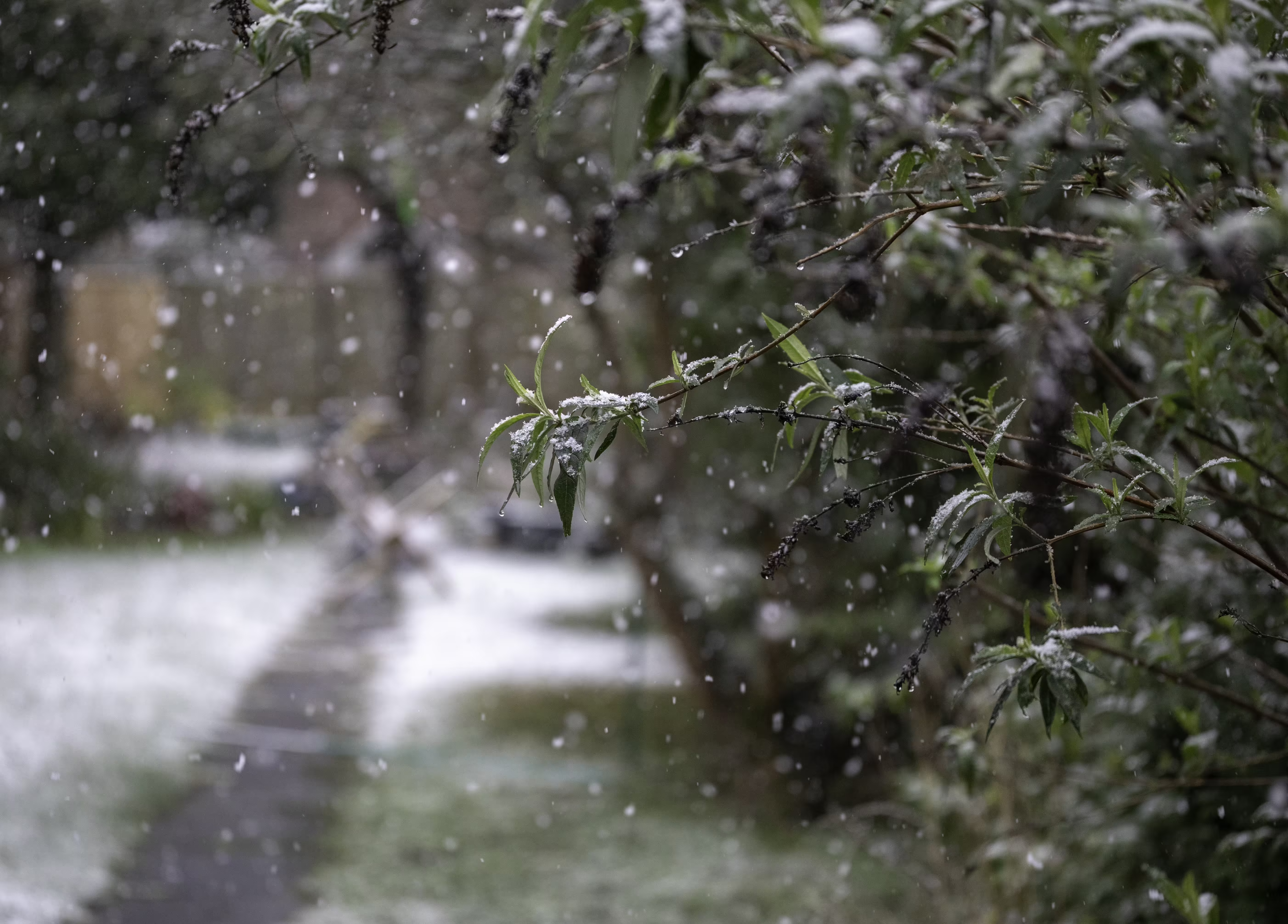
Seasonal Gardening Guide: What Homeowners Can Do During Winter in Virginia
Why Winter Still Matters in Your Landscape
For many homeowners, winter feels like a pause button for the garden – a stretch of months where nothing grows, nothing changes, and nothing needs attention. In Virginia, that assumption couldn’t be further from the truth. While much of the landscape may appear dormant above ground, winter is actually one of the most important seasons for long-term landscape health, structure, and success.
Virginia’s climate sits in a unique transition zone, where winters are cold enough to trigger dormancy but often mild enough to allow continued activity below the surface. Roots continue to grow when soil temperatures remain above freezing, microorganisms stay active in healthy soil, and trees and shrubs quietly prepare for the surge of spring growth. What happens – or doesn’t happen – during winter directly affects how your landscape performs once warmer weather returns.
This is why winter gardening and seasonal landscaping maintenance matter so much. Tasks like soil preparation, selective pruning, cleanup, and planning are far more effective during the dormant season than when plants are actively growing. Winter also offers a rare opportunity to clearly see the “bones” of your landscape – the structure of trees, the layout of beds, drainage patterns, and hardscape elements – without dense foliage getting in the way.
Plant dormancy isn’t a shutdown; it’s a reset. During this period, plants conserve energy, store nutrients, and strengthen root systems. When homeowners use winter strategically – rather than ignoring the landscape entirely – they set the stage for healthier growth, fewer problems, and a more resilient garden come spring.
In short, winter isn’t downtime for your yard. It’s the foundation season. And understanding what you can do now makes all the difference in how your landscape looks and performs for the rest of the year.
Essential Winter Landscaping Tasks: Cleanup, Soil Prep, and Smart Seasonal Planting
Winter may look quiet, but it’s one of the most productive times to care for your landscape. With plants dormant and growth slowed, homeowners can focus on foundational tasks that are harder – or riskier – to tackle during the growing season. These winter gardening efforts reduce spring stress on plants and create healthier conditions for long-term success.
Winter Cleanup & Maintenance Tasks
A thoughtful winter cleanup strikes a balance between tidiness and plant health. The goal isn’t to strip the landscape bare, but to manage debris in a way that protects plants and prevents future problems.
Start by removing heavy leaf piles from lawns, walkways, and drainage areas. Thick layers of wet leaves can smother turf, trap excess moisture, and encourage fungal disease. In garden beds, however, leaves can be shredded and used as natural mulch to insulate soil and improve structure over time.
Selective cutting back is also important. Some perennials and grasses benefit from being left standing through winter for visual interest and crown protection, while others – especially those prone to disease – should be cut back once frost arrives. Light pruning of select shrubs and trees can remove dead, damaged, or crossing branches, but aggressive pruning should be avoided unless you’re certain the plant blooms on new wood.
Mulching is one of the most valuable winter maintenance tasks. A two- to three-inch layer of mulch helps regulate soil temperature, reduces freeze-thaw stress, and protects root systems from drying winter winds. Just be careful to keep mulch pulled back from the base of trunks and stems to prevent rot and pest damage.
Finally, don’t overlook winter watering. During extended dry periods, especially when temperatures rise above freezing, trees and shrubs – particularly evergreens and newly planted material – may still need moisture. Many winter plant losses are caused by dehydration, not cold.
For homeowners wondering how to take care of my yard in the winter, these simple but strategic steps go a long way toward protecting the landscape until spring.
Winter Soil Preparation for a Strong Spring Start
Healthy landscapes start with healthy soil, and winter is one of the best times to improve it. With planting activity minimal, soil amendments can be applied without disturbing growing roots.
Adding compost or organic matter to garden beds in winter helps improve soil structure, particularly in Virginia’s clay-heavy soils. Over time, natural freeze-thaw cycles work these materials into the soil profile, increasing drainage, aeration, and nutrient availability.
Winter is also an ideal time to conduct a soil test. Understanding pH levels and nutrient deficiencies allows homeowners to make targeted improvements well before planting season begins. Amendments like lime or compost take time to break down, so addressing them in winter ensures the soil is ready when spring arrives.
If you’re planning new planting beds or garden expansions, winter offers a perfect window for preparation. Beds can be outlined, soil loosened, and drainage improved without the pressure of immediate planting. Observing how water moves across your property after winter rains can also reveal drainage issues that are easier to correct before plants go in the ground.
This proactive approach to winter soil preparation for spring planting sets the stage for stronger root systems, healthier plants, and better overall performance throughout the year.
What You Can Plant in Winter (and When to Wait)
While winter isn’t the peak planting season, there are still opportunities – when conditions are right.
Deciduous trees and shrubs can often be planted during winter as long as the ground isn’t frozen solid. Because these plants are dormant, they experience less transplant stress and can begin establishing roots before spring growth starts. This head start can make a significant difference once warmer weather arrives.
New plantings should always be protected. Mulch helps insulate roots, and consistent watering during dry winter periods prevents dehydration. In colder snaps, temporary coverings can protect young plants from frost damage.
That said, there are limits. Broadleaf evergreens and plants sensitive to cold are best planted in early spring, when soil temperatures begin to rise. If temperatures are consistently dropping below freezing, it’s better to wait rather than risk plant loss.
For homeowners asking, are there any plants to plant in winter? – the answer is yes, but timing, plant selection, and proper protection matter. Knowing when to plant and when to pause is key to winter gardening success.
Creating a Beautiful Winter Landscape (Virginia-Friendly Plants + Design Techniques)
A common misconception about winter landscapes is that they’re destined to look dull or lifeless. In reality, winter is when strong design choices shine the most. Without lush foliage competing for attention, texture, structure, and form take center stage – and a well-planned landscape can remain visually compelling all season long.
In Virginia’s climate, the key is selecting plants and design elements that hold their presence through cold weather while supporting long-term landscape health.
Best Plants for Winter Interest in Virginia
When thinking about winter gardening, it helps to focus less on blooms and more on form, color, and structure. The most successful winter gardens rely on plants that contribute visual interest even when growth slows.
Evergreen shrubs provide the backbone of winter landscapes. Boxwood, inkberry holly, and other broad- and narrow-leaf evergreens maintain color and shape year-round, offering structure when perennials fade. These plants help anchor beds and frame walkways, entries, and garden views during the dormant season.
Cold-hardy perennials can also play a role. Plants like hellebores, liriope, and certain sedges hold foliage through winter and, in some cases, begin blooming before spring officially arrives. Their reliability makes them valuable additions to Virginia gardens.
Ornamental grasses are especially effective in winter. Many varieties maintain upright form, catching light, frost, and movement in the wind. Leaving grasses standing until late winter protects their crowns from cold and adds texture and dimension to the landscape.
Winter berries and native plants bring color when it’s needed most. Native options like winterberry holly or chokeberry offer bright fruit that persists into colder months, providing both visual contrast and wildlife value. These plants add seasonal interest without requiring heavy maintenance.
For homeowners wondering what plants do best in Virginia winters, the answer often lies in a thoughtful mix of evergreens, structural perennials, and region-appropriate native species.
Design Elements That Keep Your Garden Attractive All Winter
Winter highlights the underlying design of a landscape. Without leaves and flowers to rely on, the success of a garden depends on how well its foundational elements work together.
Texture and structure are essential. Contrasting leaf shapes, branching patterns, and plant heights create visual interest even in muted winter tones. Trees with distinctive bark, multi-stem shrubs, and layered plantings help prevent the landscape from feeling flat or empty.
Hardscaping plays a larger role in winter. Patios, walkways, retaining walls, and steps become more visually prominent once plants go dormant. These features add definition and permanence, reinforcing the overall design of the landscape throughout the colder months.
Lighting enhances both beauty and function. With shorter days and longer nights, landscape lighting becomes a critical design element. Subtle, warm lighting can highlight trees, architectural features, and pathways, making the garden feel welcoming even in winter. It also improves safety and extends the usability of outdoor spaces after dark.
Strong silhouettes matter. Plants with distinctive shapes – whether upright, spreading, or sculptural – help maintain curb appeal during dormancy. Winter is when the “bones” of the garden are on full display, making plant selection and spacing especially important.
For homeowners asking, what would keep my garden beautiful in winter?, the answer is a combination of smart plant choices and design elements that don’t disappear when temperatures drop.
A landscape designed with winter in mind doesn’t just survive the season – it remains attractive, functional, and intentional year-round.
Avoiding Common Winter Landscaping Mistakes (and When to Call a Professional)
Winter can be a productive season for your landscape – but only when the right work is done at the right time. Well-intentioned efforts can sometimes cause more harm than good, especially when homeowners apply warm-season habits to dormant plants. Understanding what not to do is just as important as knowing what to tackle during the colder months.
Common Winter Landscaping Mistakes to Avoid
One of the most frequent winter maintenance tips is also the most misunderstood: don’t over-prune. While winter is an excellent time for selective pruning, cutting back the wrong plants can eliminate spring blooms entirely. Many popular Virginia shrubs – such as azaleas, rhododendrons, lilacs, and forsythia – set their flower buds the previous season. Pruning them in winter removes those buds, leaving homeowners wondering why their plants don’t bloom in spring.
Another common issue is ignoring drainage problems. Winter rain and freeze-thaw cycles often reveal poor grading or compacted soil. Standing water around foundations, lawns, or garden beds shouldn’t be overlooked – these conditions can lead to root rot, turf damage, and long-term structural issues if left unaddressed.
De-icing products can also quietly damage landscapes. Traditional salt-based de-icers may make walkways safer, but runoff can burn turf, shrubs, and tree roots along driveways and sidewalks. Repeated use weakens plants over time, often showing up as dieback or thinning growth months later.
Homeowners also tend to neglect turf health in winter. Walking on frozen grass can fracture blades, creating brown patches that linger into spring. Letting lawns grow too long or cutting them too short before winter can also invite disease and stress.
Together, these mistakes are avoidable – and knowing when to pause is often the best winter landscaping decision.
When Professional Help Makes a Difference
While many winter tasks are homeowner-friendly, some situations benefit greatly from professional insight.
Winter assessments are one of the most valuable services a landscape professional can provide. With plants dormant, it’s easier to evaluate structure, spacing, drainage, and long-term design opportunities. This is often the best time to plan spring improvements, renovations, or phased landscape updates.
Tree and shrub pruning that involves large specimens, tight spaces, or proximity to structures should always be handled by professionals. Improper cuts can compromise plant health – or create safety risks – especially during winter storms and high winds.
Soil, grading, and drainage evaluations are another area where expertise matters. Addressing these issues correctly now prevents plant loss and costly fixes later, particularly when preparing the garden for spring planting.
For homeowners asking, how do I prepare my garden for spring in the winter?, the answer often lies in a mix of strategic maintenance and professional guidance. Winter is the planning season – and the right support now can make spring far more successful and far less stressful.
Winter Is a Strategic Season – Not a Pause
Winter may slow visible growth, but it’s one of the most important seasons for shaping the long-term health and beauty of your landscape. From cleanup and soil preparation to thoughtful plant selection and design planning, what you do – or don’t do – during the colder months directly impacts how your garden performs in spring and beyond.
In Virginia’s climate, winter offers a rare opportunity. Dormancy allows plants to recover, roots to strengthen, and homeowners to address foundational issues like drainage, structure, and soil health without competing growth demands. It’s also the season when the true framework of a landscape is revealed, making it the ideal time to evaluate what’s working, what’s struggling, and what could be improved.
Rather than viewing winter as downtime, the most successful landscapes treat it as a planning and preparation phase. Strategic winter maintenance leads to healthier plants, fewer spring problems, and outdoor spaces that look intentional – not reactive – once the growing season returns.
If you’re thinking ahead to spring, now is the time to act. Brian Daly Designs works with homeowners throughout the winter months to provide seasonal cleanups, professional assessments, and thoughtful landscape planning that sets the stage for lasting success. Whether you need guidance on winter maintenance or want to start planning improvements for the year ahead, a proactive approach now will pay dividends all season long.
Ready to make the most of your landscape this winter?
Reach out to Brian Daly Designs to schedule a winter consultation and start preparing your garden for a stronger, healthier spring.


